









Portable Power Stations vs. Residential Energy Storage Systems
Portable power stations and residential energy storage systems are both important parts of the growing energy storage market. Although they share similar battery technologies, their applications and system designs are quite different.
Portable power stations are mainly designed for mobility and temporary power supply. They are widely used for outdoor activities, camping, emergency backup, and mobile work environments.
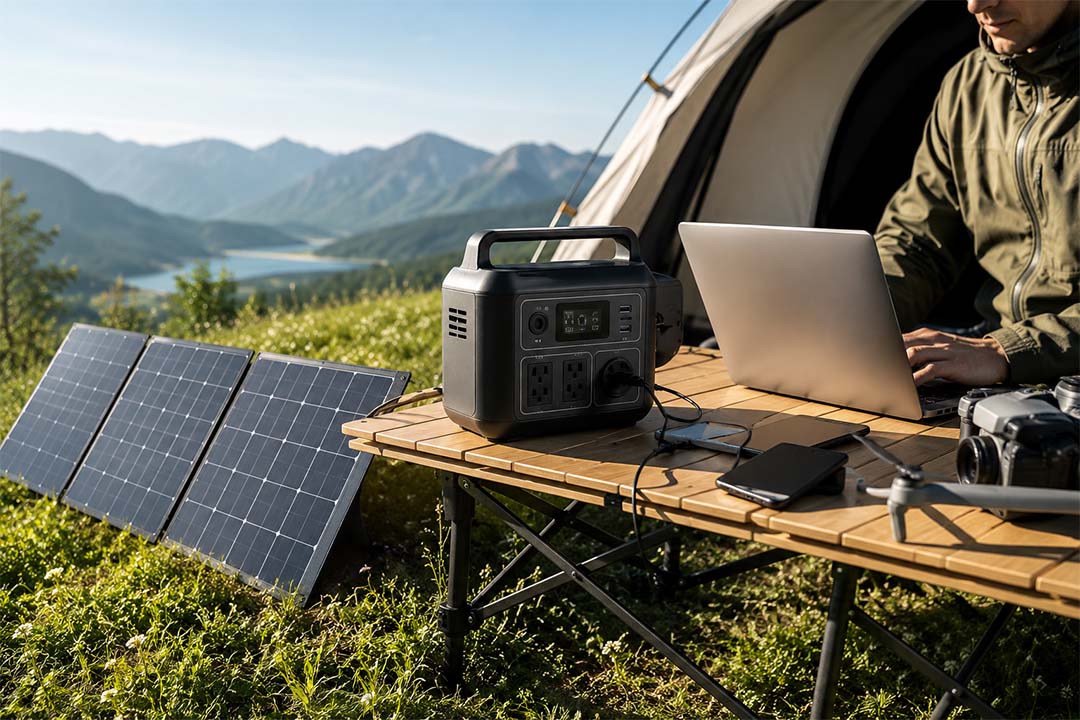
These systems usually include integrated batteries, inverters, charging systems, and multiple output interfaces within a compact structure. Lightweight design and portability are key priorities.
Portable power stations commonly support solar charging, allowing users to recharge batteries in outdoor environments using portable solar panels.
Residential energy storage systems focus more on long-term household power management. These systems are typically connected to home solar systems and used for backup power, electricity cost reduction, and energy management.
Compared with portable power stations, residential ESS products usually provide larger battery capacity and longer operating time. They are designed for fixed installation and continuous operation.
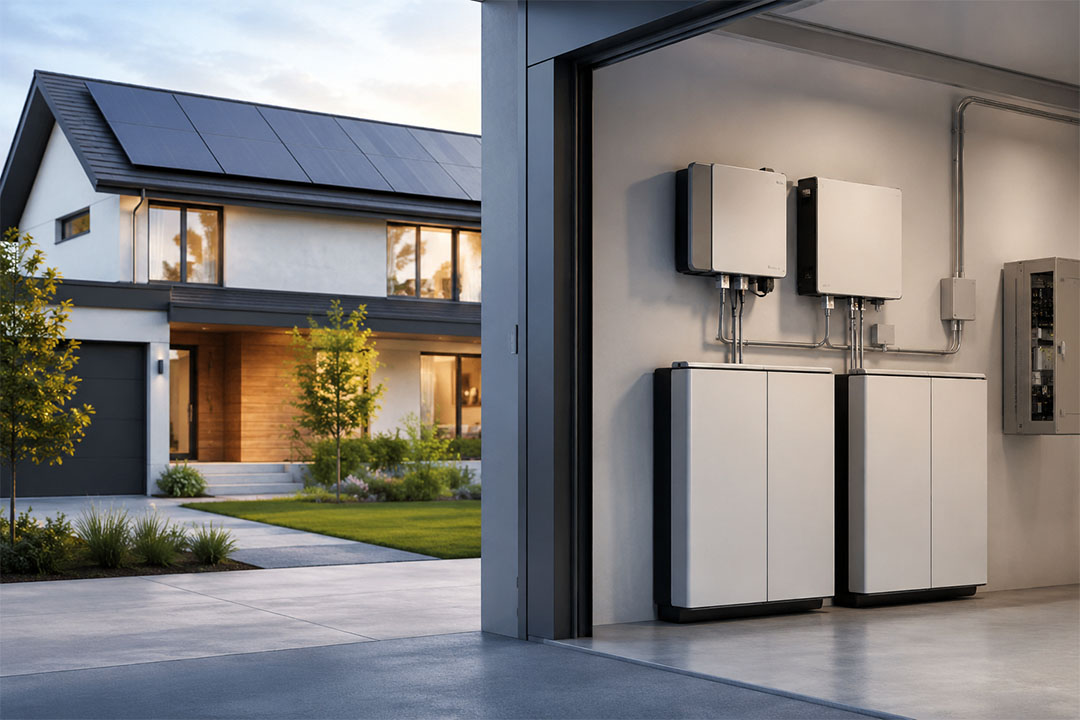
Residential ESS systems often include wall-mounted batteries, rack-mounted batteries, outdoor cabinets, or integrated home storage systems.
Safety, cycle life, and system stability are especially important in residential applications because the systems operate daily for many years.
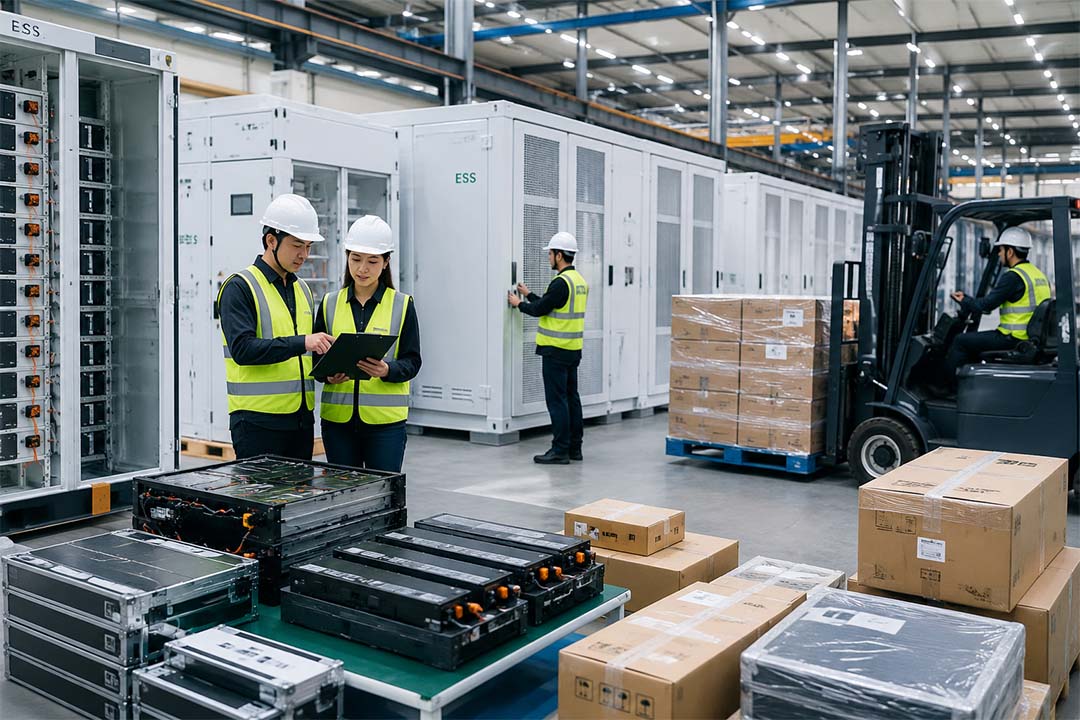
Commercial and industrial energy storage systems are even larger and more complex. They are often used for peak shaving, backup power, microgrid systems, and industrial energy management projects.
As global energy demand continues changing, both portable power stations and residential energy storage systems are becoming increasingly important in renewable energy applications worldwide.