









How to Choose the Right Battery Cells for Energy Storage Systems
As energy storage projects continue growing worldwide, battery cell selection has become one of the most important factors affecting system performance, safety, and long-term reliability. Different applications require different battery structures, capacities, and performance characteristics.
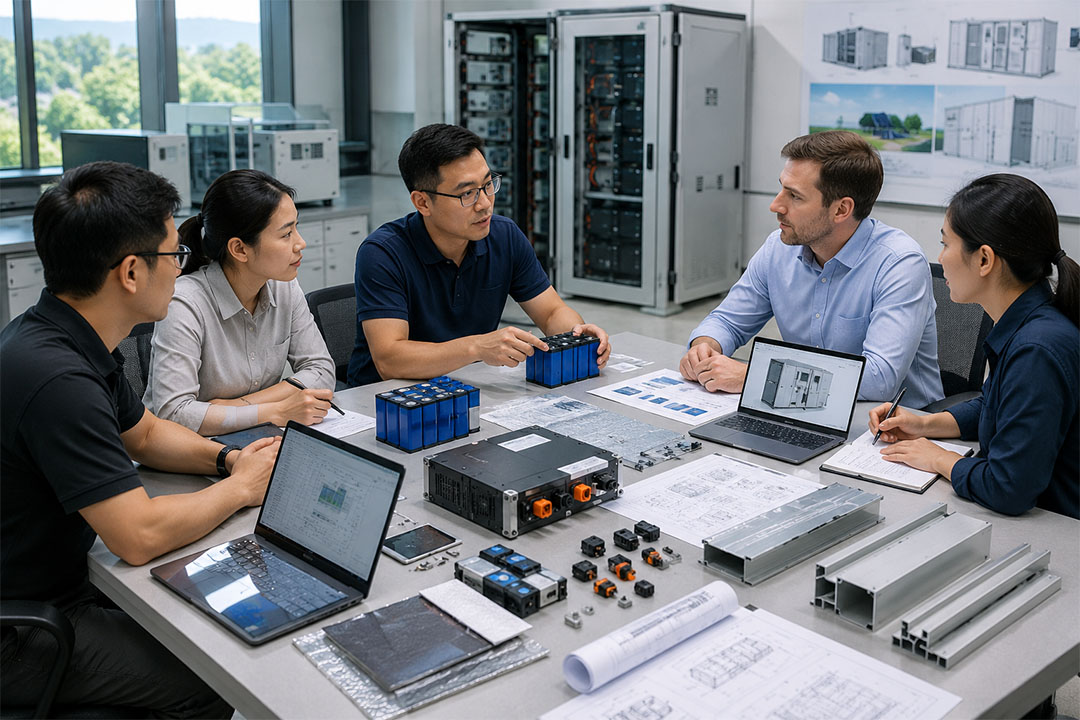
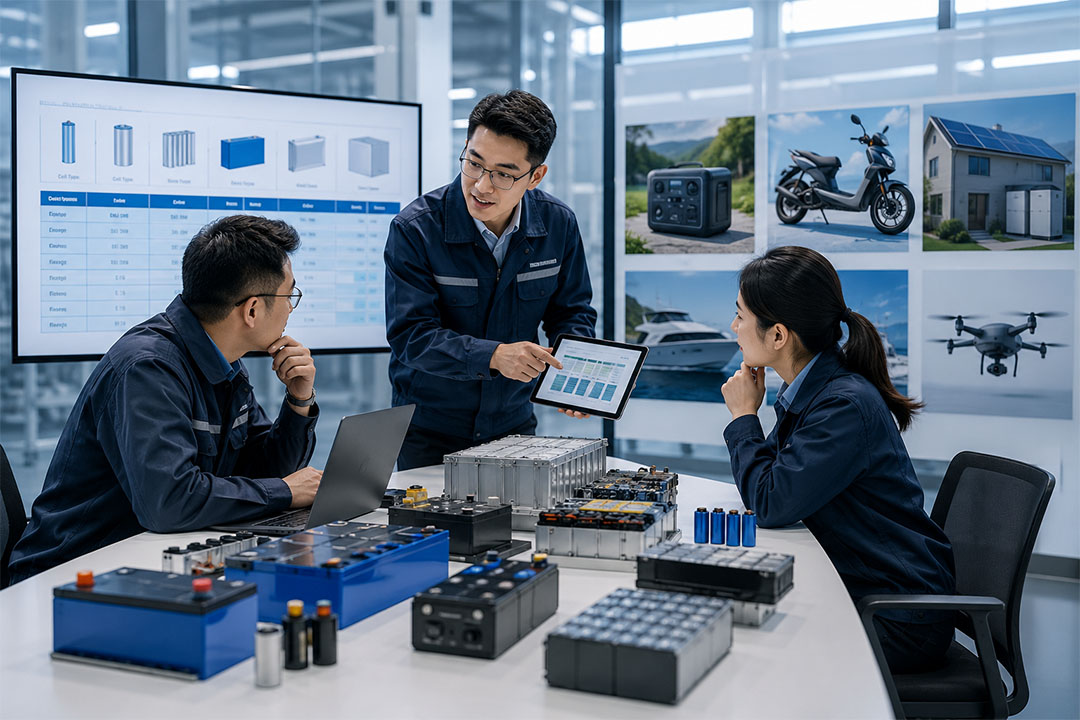
The three most common battery cell types used in energy storage systems are cylindrical cells, prismatic cells, and pouch cells.
Cylindrical battery cells are widely used because of their stable structure and mature production process. They offer good consistency and heat dissipation, making them suitable for portable power stations, electric mobility products, and some residential energy storage systems.
Prismatic battery cells are highly popular in residential and commercial energy storage applications. Their rectangular structure allows better space utilization and higher energy capacity within battery packs. Many commercial and industrial ESS systems use prismatic cells because they are easier to integrate into large battery cabinets.
Pouch cells are lightweight and flexible in shape, making them suitable for drones, robotics, and compact battery applications. Their high energy density is attractive for products where weight reduction is important.
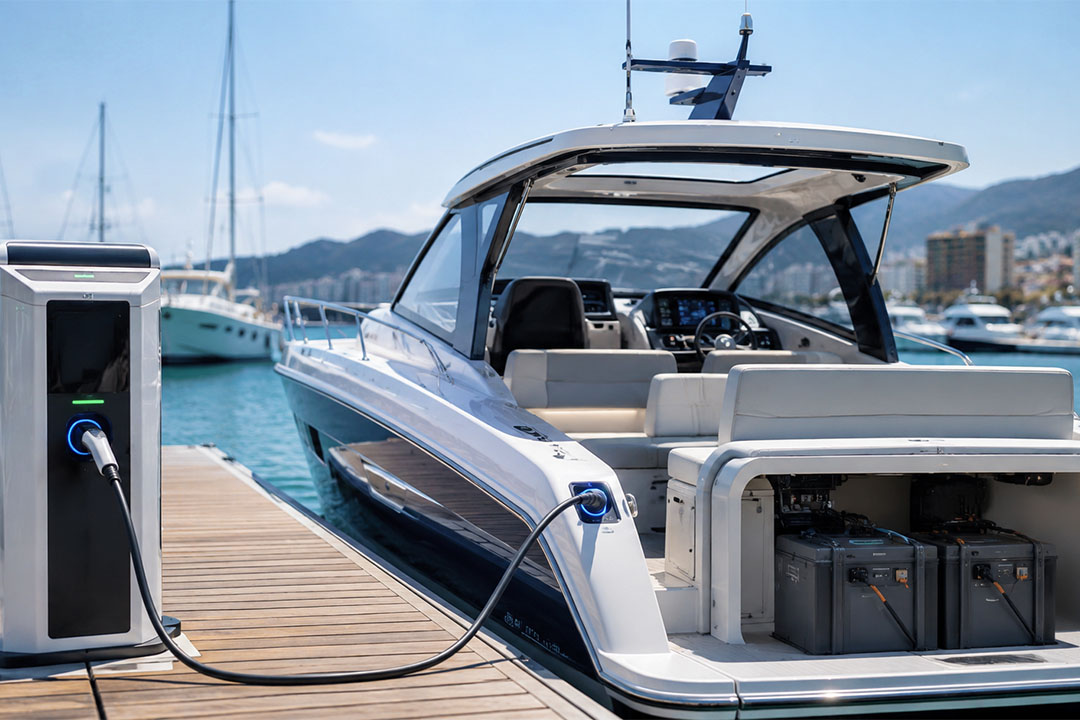
When selecting battery cells, application scenarios should always come first. Marine batteries, drone batteries, residential ESS products, and industrial storage systems all require different performance priorities.
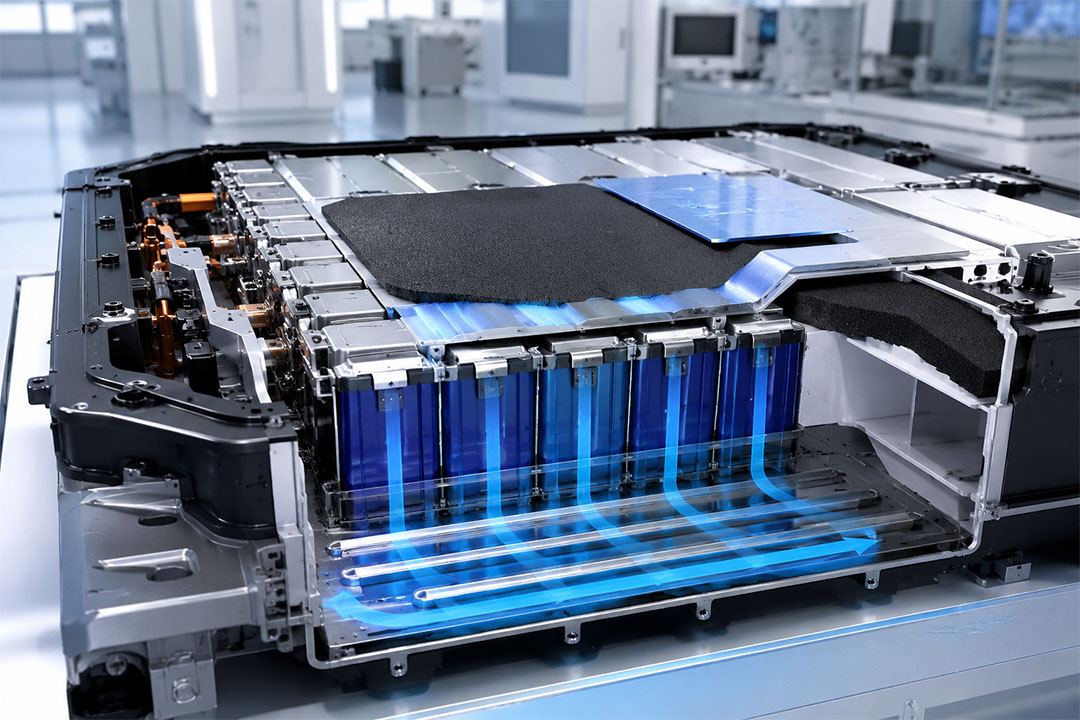
Thermal management is another key factor. Proper heat dissipation directly affects battery safety, cycle life, and operating stability. Thermal conductive materials, insulation materials, and simulation analysis are increasingly important in modern battery system design.
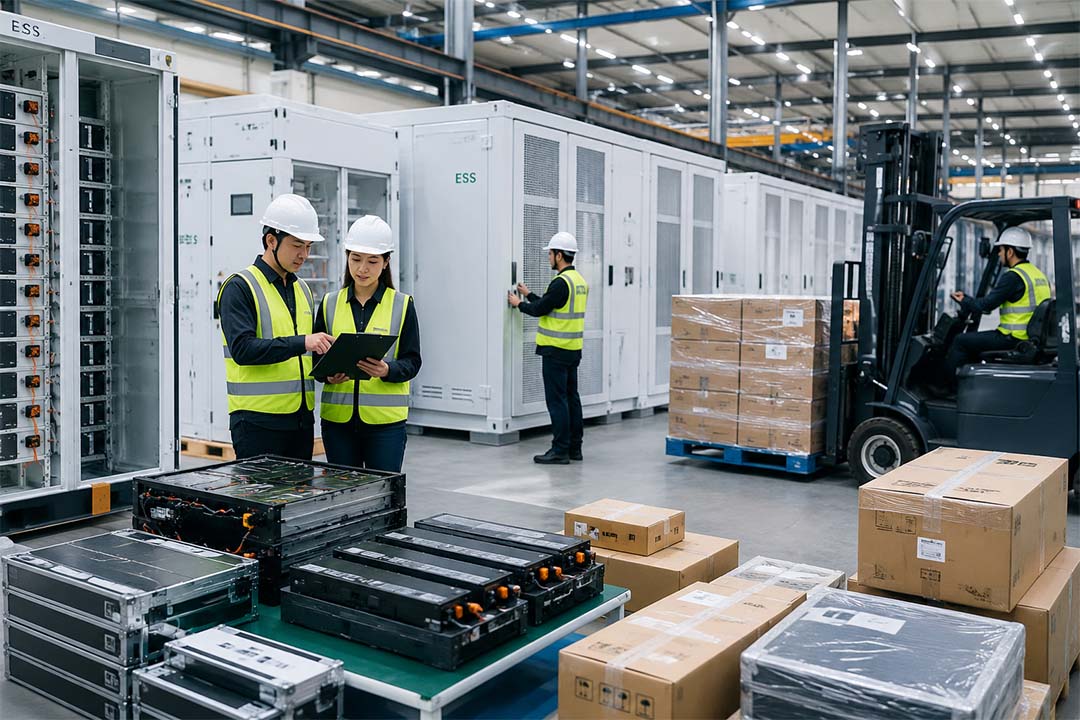
For distributors and project buyers, stable supply coordination is also critical. Battery projects often require multiple supporting products such as battery systems, thermal materials, ESS cabinets, and customized structures. Working with integrated supply partners can help reduce sourcing complexity and improve project communication efficiency.
As the energy storage market continues developing, battery systems are moving toward higher safety standards, longer cycle life, and more flexible customization capability for different applications worldwide.